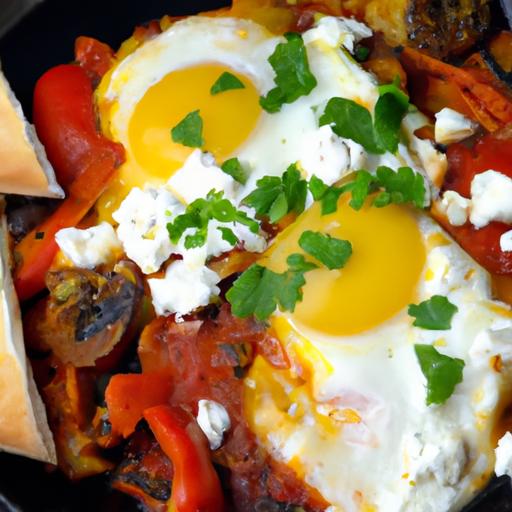

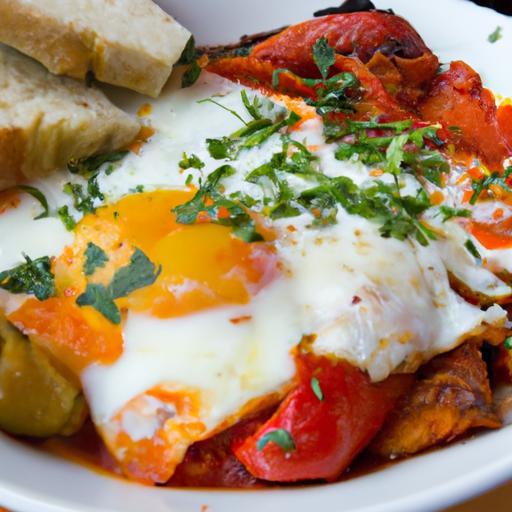
In the vibrant tapestry of world cuisines,few dishes capture the essence of warmth,spice,and communal joy quite like shakshuka. Originating from the sun-drenched kitchens of North Africa, this humble yet hearty blend of poached eggs nestled in a rich, fragrant tomato and pepper sauce has transcended borders and palates alike. “Shakshuka Unveiled: A Flavorful Journey of North African delight” invites you to explore the origins, variations, and cultural significance of a dish that is as much a festivity of tradition as it is indeed a canvas for culinary creativity. Prepare to embark on a sensory voyage where every bite tells a story steeped in history, passion, and unmistakable flavour.
Shakshuka Unveiled: this beloved North African dish is more than a flavorful mélange of eggs poached in a vibrant tomato and pepper sauce-it is a culinary tapestry woven through history, culture, and community.Originating from the Maghreb region, shakshuka holds a special place on breakfast tables and festive gatherings alike. As a food stylist and culinary storyteller, I’ve experienced firsthand how its bold spices and rustic charm ignite both the senses and conversation around the table.
Prep and Cook Time
- Readiness: 15 minutes
- Cooking: 25 minutes
- Total: 40 minutes
Yield
Serves 4 generously
Difficulty Level
Easy – Perfect for home cooks eager to explore north African flavors
Ingredients
- 3 tablespoons olive oil
- 1 medium yellow onion,finely chopped
- 2 red bell peppers,seeded and diced
- 4 garlic cloves,minced
- 1 teaspoon ground cumin
- 1 teaspoon smoked paprika
- ¼ teaspoon cayenne pepper (adjust to taste)
- 1 (28-ounce) can crushed tomatoes
- Salt and freshly ground black pepper,to taste
- 6 large eggs
- Fresh cilantro or parsley,chopped (for garnish)
- optional: crumbled feta cheese or olives for topping
- Warm crusty bread or pita,for serving
Instructions
- Heat olive oil in a large,deep skillet over medium heat. Add the chopped onion and sauté until translucent, about 5 minutes.
- Add diced red bell peppers and cook for another 5 minutes until softened, stirring occasionally to avoid sticking.
- Incorporate minced garlic and sauté for 1 minute until fragrant, ensuring it does not burn.
- Sprinkle in cumin, smoked paprika, and cayenne pepper. Stir to evenly coat the vegetables and toast the spices gently, about 1-2 minutes.
- Pour crushed tomatoes into the skillet and mix well. Season with salt and black pepper. Let the sauce simmer uncovered for 15 minutes, stirring occasionally until thickened and rich.
- Create small wells in the sauce using the back of a spoon. crack the eggs carefully into each well, spacing them evenly across the pan.
- Cover the skillet and cook on low heat until egg whites are set but yolks remain runny, about 6-8 minutes. for firmer yolks, extend cooking 2-3 minutes.
- Remove from heat and garnish generously with chopped cilantro or parsley. Add optional toppings like crumbled feta or olives if desired.
- Serve immediately with warm crusty bread or pita to soak up the luscious sauce.
Tips for Success
- Customize the heat: Adjust cayenne pepper or add harissa paste for layered spice intensity authentic to North African kitchens.
- Tomato choice matters: Use quality canned tomatoes or fresh, ripe tomatoes for the brightest flavor.
- Cooking eggs gently: Covering the pan traps steam, cooking the eggs evenly without drying out the sauce.
- Make ahead: The base sauce can be prepared a day in advance and gently reheated before adding eggs for ultimate convenience.
- Substitution note: Swap red bell peppers with roasted poblano or mild chiles for a smoky twist.
Serving Suggestions
Present shakshuka in its skillet or transfer to a rustic terracotta dish for an authentic North African flair. Garnish with fresh herbs that contrast with the red sauce-for example, cilantro or flat-leaf parsley.A drizzle of good quality extra virgin olive oil adds richness and shine. Pair this vibrant dish with crunchy toasted bread or warm pita to mop up every flavorful bite.For a complete meal, serve with a side of labneh or a simple cucumber salad lightly dressed with lemon juice and za’atar, enhancing the regional experience.
| Nutrient | Per Serving |
|---|---|
| Calories | 280 kcal |
| Protein | 14 g |
| Carbohydrates | 18 g |
| Fat | 18 g |

To deepen your journey into traditional flavors, explore our Moroccan Spice blend Guide to master the perfect seasoning complements.For an enriched understanding of shakshuka’s historical roots, the Encyclopedia Britannica article on Shakshuka is an excellent resource.
Q&A
Q&A: Shakshuka Unveiled – A Flavorful Journey of North African Delight
Q1: What exactly is Shakshuka?
A1: Shakshuka is a vibrant, hearty dish that hails from North Africa, especially Tunisia and Morocco, though it’s beloved across the mediterranean and Middle East today. At its core, it’s a rustic blend of poached eggs nestled in a simmering, aromatic tomato and pepper sauce, frequently enough spiced with garlic, cumin, and smoky paprika. It’s a breakfast champion,a lunchtime hero,and a comforting dinner staple all rolled into one.
Q2: Where did Shakshuka originate?
A2: While its exact origins are a bit of a culinary mystery, Shakshuka is widely believed to have roots in Tunisia before spreading throughout North Africa and the Middle East. The name itself, which roughly means “a mixture” or “all mixed up” in Tunisian Arabic, speaks to the colorful medley of ingredients that create its irresistible flavor.
Q3: What makes shakshuka so unique compared to other egg dishes?
A3: Unlike your typical fried or scrambled eggs, Shakshuka offers a symphony of textures and flavors. The eggs are gently poached right in the savory and slightly spicy tomato sauce, allowing the yolks to melt into the mix with every bite.The combination of fresh herbs, warm spices, and slow-cooked vegetables builds a complexity that’s both humble and deeply satisfying.
Q4: Are there variations of Shakshuka?
A4: Absolutely! Shakshuka is a versatile masterpiece. While the classic features tomatoes, peppers, and eggs, some versions incorporate feta or goat cheese for creaminess, spicy harissa paste for a fiery kick, or greens like spinach for added earthiness. In Israel,for example,it’s a beloved street food frequently enough served with crusty bread,while in some Moroccan kitchens,chickpeas or merguez sausage might make a guest appearance.
Q5: How do you traditionally serve and eat Shakshuka?
A5: Traditionally,Shakshuka is served straight from the pan-a rustic presentation that invites communal eating. It’s almost always paired with warm, crusty bread or pita, used to scoop up the tomato sauce and runny yolks. The tactile experience of tearing bread and dipping into the rich mixture is integral to Shakshuka’s charm.
Q6: Is Shakshuka healthy?
A6: Yes! Packed with vegetables and protein-rich eggs, Shakshuka strikes a balance between nourishment and indulgence. The tomatoes provide antioxidants like lycopene, while peppers add vitamin C and flavor. Plus, it’s typically made with simple, whole ingredients and cooked with olive oil, making it a wholesome choice for any meal of the day.
Q7: Can Shakshuka be adapted for different diets?
A7: Certainly! For vegetarians, the classic recipe fits perfectly. Vegans can substitute eggs with tofu or chickpea “scramble,” and those seeking gluten-free options can enjoy Shakshuka as is, just ensuring their bread accompaniment suits dietary needs. The dish’s open-ended nature invites creativity and personalization.Q8: What is the cultural significance of Shakshuka today?
A8: Shakshuka has transcended its regional roots to become a global favorite, symbolizing culinary fusion and shared traditions. It embodies community and comfort-frequently enough cooked and enjoyed in gatherings, symbolizing warmth and hospitality. Its growing popularity in cafés worldwide showcases how a simple North African dish can spark joy and connection across cultures.
Q9: How can someone new to Shakshuka start making it at home?
A9: Beginners should embrace the simplicity and start with a basic recipe: sauté onions, peppers, and garlic; add diced tomatoes and seasoning; simmer until thickened; crack eggs over the simmering sauce; cover and cook until eggs are just set. Don’t forget to have plenty of bread on hand for dipping! Once confident,explore spices and add-ins to make it your own.
Q10: What’s the best way to enjoy Shakshuka and truly experience its essence?
A10: To savor Shakshuka’s essence, gather loved ones around the table, serve it fresh and steaming in the skillet, and share stories as you dip bread into the luscious sauce. Let the mingling of flavors-a hint of spice, the brightness of tomatoes, the richness of eggs-transport you to the sun-drenched markets of north Africa. It’s not just a meal; it’s a flavorful journey.
Concluding Remarks
As the sun sets over the sizzling skillet, Shakshuka reminds us that food is more than sustenance-it’s a vibrant story told through spices, tradition, and a shared love for bold flavors. This North African gem, with its rich tapestry of tomatoes, peppers, and eggs, invites us not only to savor each bite but to appreciate the cultural threads woven into every simmering pot. Whether enjoyed in a bustling market or your own kitchen, Shakshuka offers a tasty passport to a heritage as warm and inviting as its fragrant aroma. So next time you crave a meal that’s both comforting and captivating, let Shakshuka unveil its flavorful journey, one spoonful at a time.